
Important Note
All prospective members of Civil Air Support must understand that joining the voluntary sector requires a strong degree of commitment and assumes a pledge that the individual will, from the outset, fully engage with the organisation and its aims.
Please review member types below
All member types can become officers and trustees of the organisation. Civil Air Support is part of the Voluntary Sector and there is therefore little point in joining unless the applicant is fully prepared to engage whenever possible. A degree of initiative and self-study is required plus the drive to get involved in leadership and organisational roles.
Pilot
The minimum flying requirement for pilots is 200 hours total plus a licence allowing flight as captain of an aircraft in the UK. However, CAS particularly welcomes more experienced pilots with access to aircraft that are suited to search, photography or small payload transport. A current instrument flying qualification is ideal. Pilots should be aware that Civil Air Support flights do not involve any alleviation from the privileges of their licences or from the UK Air Navigation Order as it applies to private pilots.
The skills required for the issue of a private flying licence will be largely adequate for most Civil Air Support flights. However, there are some extra skills that pilots will need to practise such as first-class crew co-operation when working with an observer, very accurate navigation and working as a team with other pilots, observers and ground support personnel. These new skills can be challenging at times but pilots enjoy the experience and often develop abilities akin to those of military and commercial operators. Pilots will be expected to respond to requests for assistance whenever possible and must have fairly easy access to their aircraft (therefore relying on rental or club aircraft is possible but not ideal). Pilots must also be willing to contribute a proportion of their annual flying, and therefore costs, to assisting their communities. Civil Air Support pilots will frequently operate as observers, perhaps in unfamiliar aircraft. Observing skills (see below) may be new to many pilots and rising to this challenge is usually a lot of fun. Pilots will be expected to maintain the very highest levels of compliance, knowledge, airmanship and captaincy.
Observer
Observers should ideally have previous flying experience in light or military aircraft or at the very least possess experience that is relatable to the demands of the airborne environment (including working closely with pilots and other mission specialists).

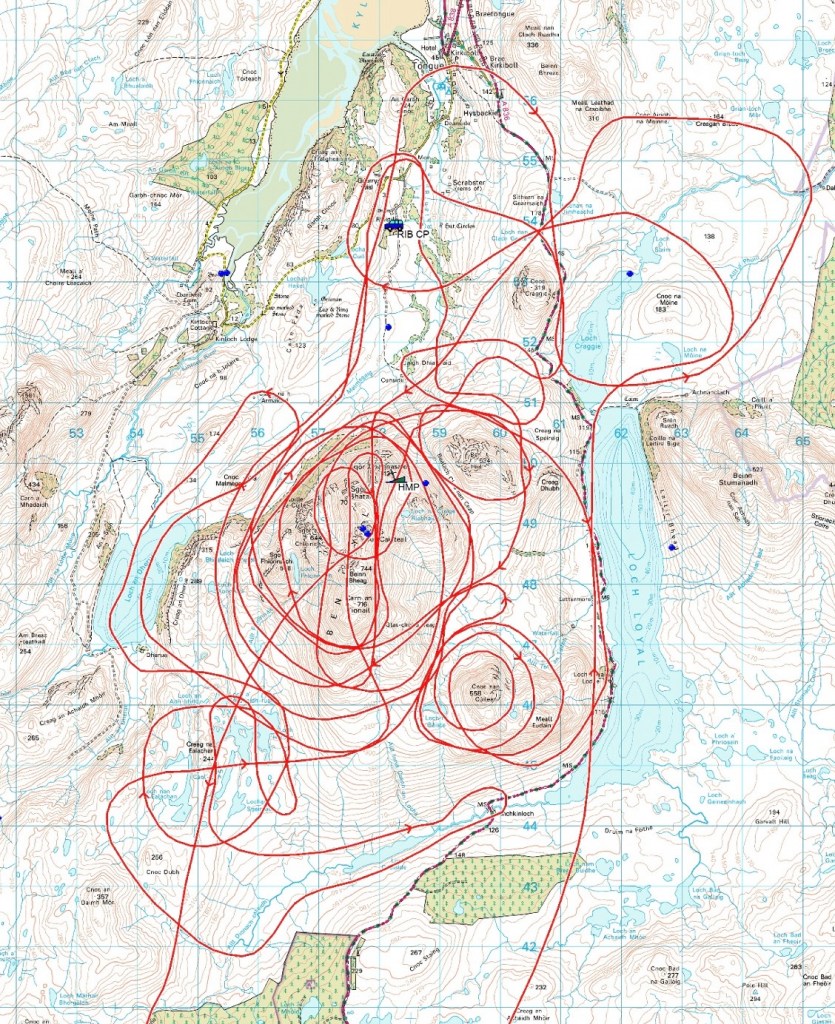
Other than pure observing, the role also involves planning, airborne map and navigation work, crew co-operation, communications, aerial photography and the analysis and distribution of information. Ideally, pilots and observers team up as constituted crews and this often leads to a high degree of understanding and co-operation in the air, which can be very satisfying. Observers may also need to become familiar with operating in a wide variety of aircraft types as each requires specific considerations.
Supporter
As a charity, Civil Air Support needs constant organisational and financial assistance. Supporters must bring well developed skills that are directly applicable to helping air missions or running the charity. Supporters can get involved by helping to organise exercises, fundraising, liaison, administration, data analysis or general maintenance of documentation. Some supporters also operate as advisers if they have appropriate valuable experience.
Ready To Be Part Of Civil Air Support?
If you are interested in joining us as a pilot, observer or supporter, please take a few moments to complete our membership application form.
 Civil Air Support