
Freak weather events can cause humans and wild animals to find themselves in precarious and often life-threatening positions with almost no warning.
When such circumstances arise and tragic outcomes are feared, Civil Air Support Operations Managers anticipate the demand for their services and prepare their crews to standby.
Storms Babet and Ciarán contributed to October being the busiest month on record for the Aviation Charity, with numerous floodwater damage monitoring flights together with related humanitarian and environmental callouts.
Despite the terrible sadness associated with loss of life and property, mercifully there were several happy endings which served to demonstrate the humanity and goodwill of organisations and individuals who pull together to do what they can to protect and preserve life in all of its forms.
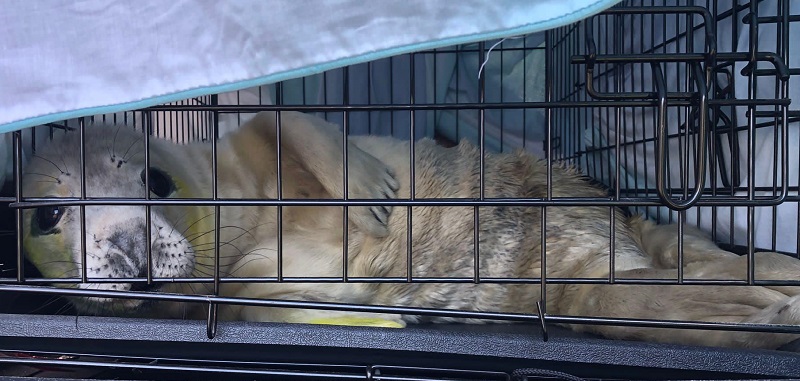
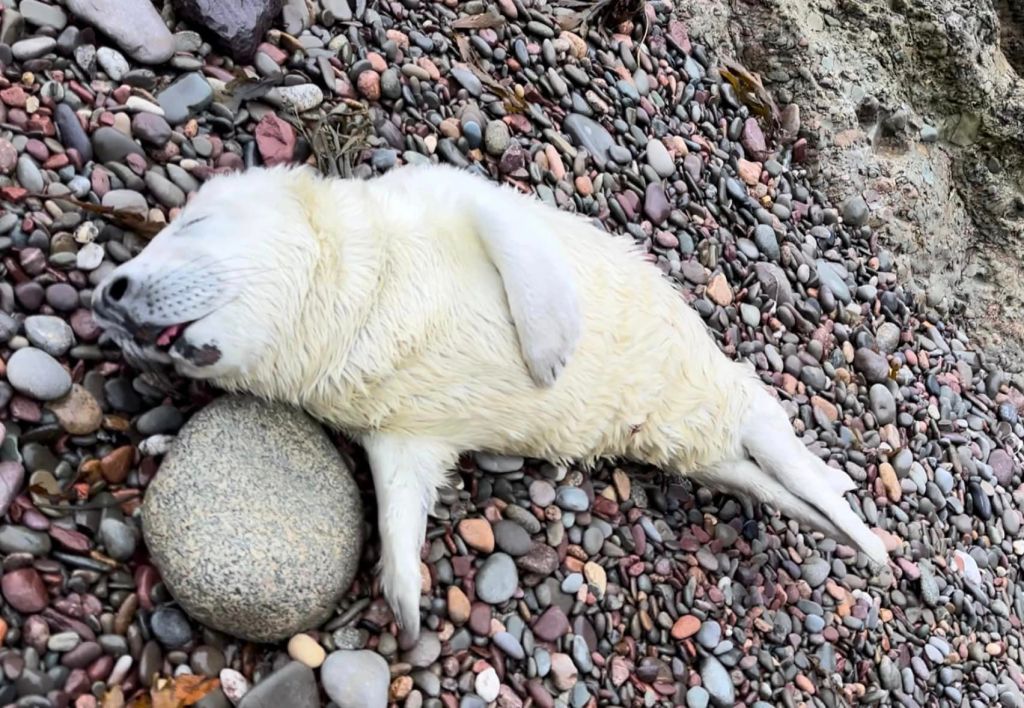
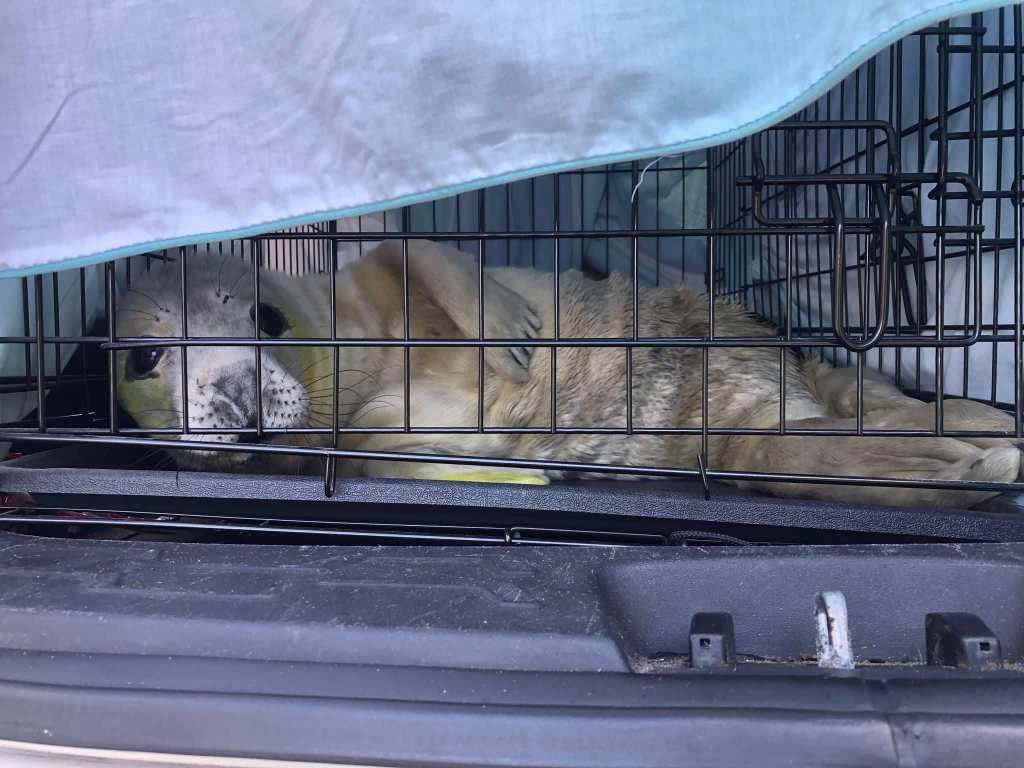
One example is the rescue of a Seal pup from a Jersey beach, after separation from its mother. The marine mammal triggered a chain-reaction when its distress was first observed by a member of the public who reported it to the Jersey Society for the Prevention of Cruelty to Animals (JSPCA). Recognising that specialist assistance would be needed, they alerted the British Divers Marine Life Rescue. The BDMLR monitored the seal in the hope that its mother would return but after 24 hours of watching and waiting in vain, the seal was starving and distressed and the agency had to step in.
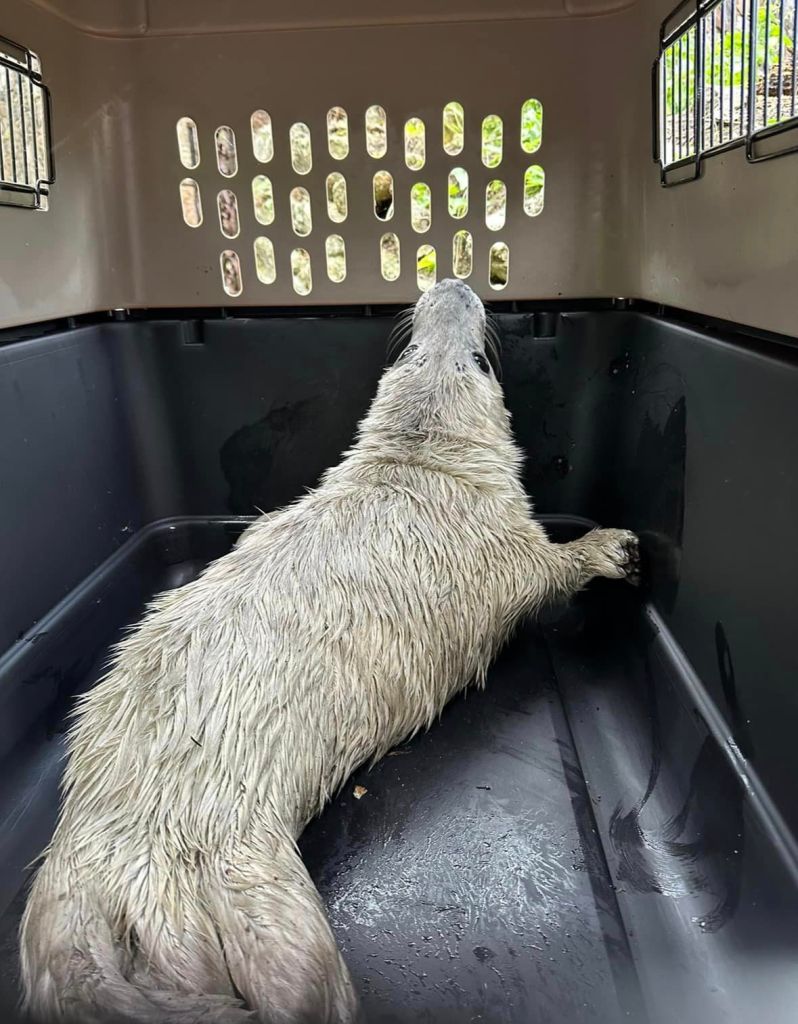
With Jersey wildlife hospital closed for refurbishment, the RSPCA was asked to accommodate ‘Fliquet‘ (as the seal had now been named) at a UK mainland rehabilitation facility. The RSPCA willingly agreed to treat the seal at its Mallydams Wood Centre in Kent, but how do you transfer a seal pup from a Jersey beach to a treatment centre in the South of England without causing the mammal undue distress?
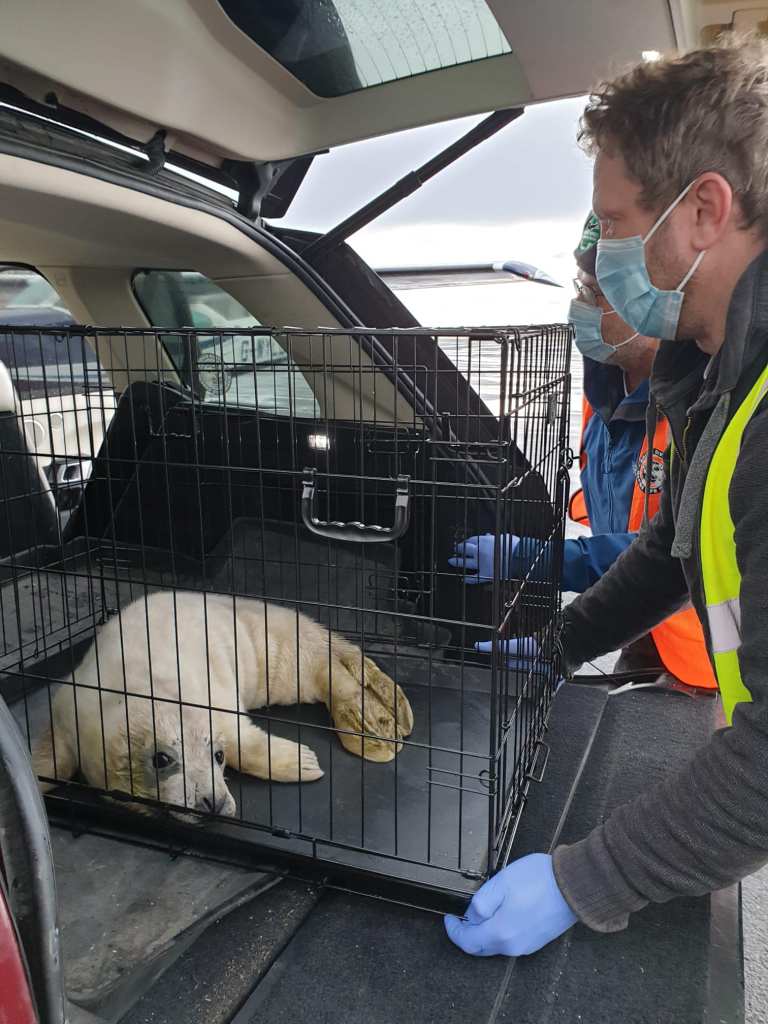
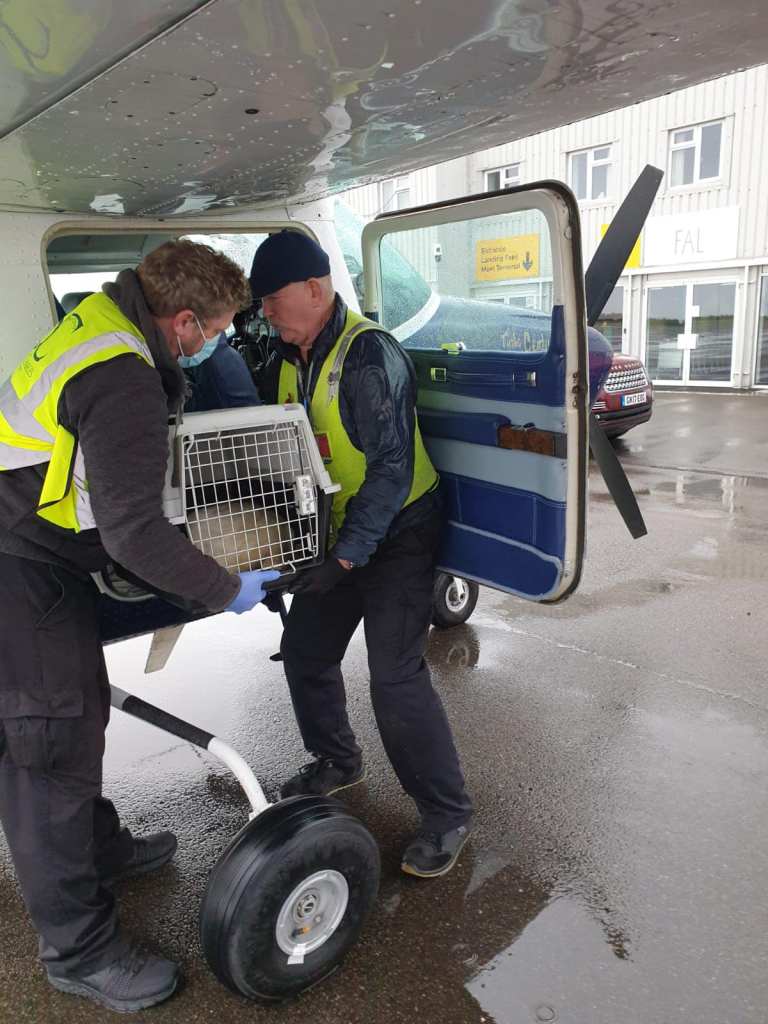
Fortunately, BDMLR are no strangers to this kind of challenge, and as they have done on many previous occasions, they called Civil Air Support to ask for assistance. CAS quickly prepared an aircraft and engaged the help of Jersey Aero Club, Channel Islands Air Traffic Control and Lydd Airport to ensure the most advantageous airport apron positioning, fast refuel and turnaround and uninhibited landing at Lydd airport where a BDMLR medic would be waiting to transfer Fliquet the short distance to the RSPCA centre.
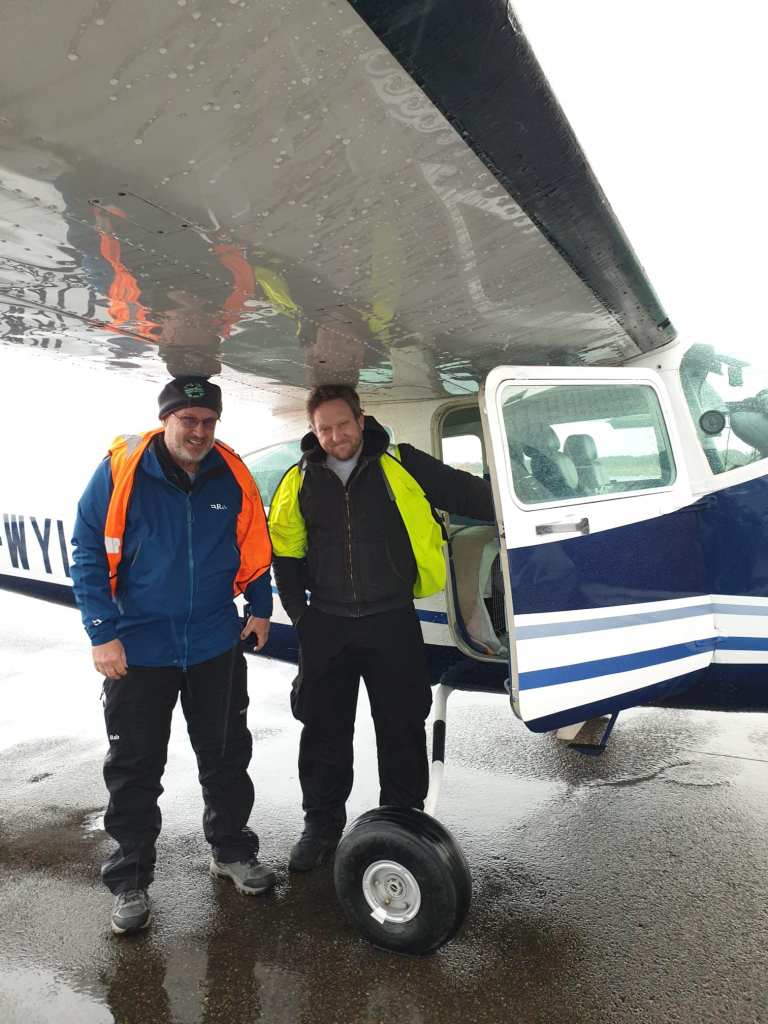
On this occasion, a Cessna T210 piloted by Rob de Roeck was used to transfer the seal to Lydd. As the seal needed hydrating regularly, Rob and his partner were required to ensure a swift handover from the JSPCA in Jersey to the medic in Lydd, and so they completed the flight in just 60 minutes.
Whether responding to a threat to wildlife, a desperate humanitarian need or the capture of aerial images to aid those on the ground in disaster response planning, Civil Air Support stands ready to assist. With its extensive resources, organisational structure and dedicated volunteers, the charity has proven itself able to make a real difference to UK communities and our environment on many occasions.
The Fliquet example demonstrates how CAS is at its most effective when working in partnership with other specialist organisations, and there are many similar examples of where collaboration and expertise have been the key to preserving life, safeguarding property, and helping to minimise the impact of natural disasters.
Civil Air Support would like to thank London Ashford (Lydd) Airport for their support in waiving landing and handling charges for this seal rescue mission. CAS would also like to extend their thanks to Jersey Aero Club and Jersey Air Traffic Control Centre for helping to execute loading, refuelling and a swift turnaround for the mission aircraft.

 Civil Air Support